













FatPirate Casino Bonus Without Hurry

In Italy, the platform is available to adult users and it is advisable to understand the pace, limits, and initial access before starting.

Fortune Gems 2 Slot

Table of Contents

  • The Dog House Megaways Slot
  • Lucky Joker 10 Extra Gifts Slot
  • Sword of Ares Slot
  • Floating Dragon Hold & Spin Slot
  • Leprechaun Riches Slot
  • Fruit Cocktail Slot
  • The Dog House Megaways Slot
  • Sword of Ares Slot
  • Fruit Million Slot
  • The Dog House Megaways Slot
  • Big Fisherman Slot
  • Big Fisherman Slot
  • Seven Books Unlimited Slot
  • Fatpirate Fortune Slot
  • Sword of Ares Slot
  • Floating Dragon Hold & Spin Slot
  • 9 Mad Hats Slot
  • Floating Dragon Hold & Spin Slot
  • Big Bass Splash Slot

Why The First Entry Should Be Handled Methodically

The first promotion almost always attracts attention even before the rest of the platform. This is normal. When a user opens a new account, they immediately think about the initial advantage, much less about the sequence of steps that truly leads them to use the profile in an orderly manner. This is where the most common mistake arises: starting from the impulse of the moment instead of the structure of the session.
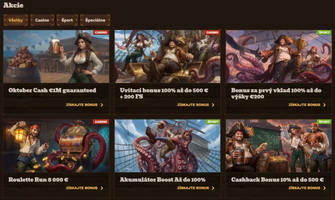
Bonus 1

Imagine a simple scene. You get home in the evening, you already have your phone in hand and you want to see how everything works in a few minutes. If you rush through registration, deposit, and play without stopping for a moment to understand where you are, each screen starts to weigh more than necessary. What could have seemed quick becomes confusing.

A better approach starts with a very concrete question: why am I logging in now? If the answer is clear, the steps also become clear. The profile is easier to read, the balance has context, the settings don't seem like a useless detail, and the session doesn't start under pressure. The platform remains a tool, not a flow that drags the player from one section to another.

What to Look At In The First Few Minutes

In the first few minutes, you don't need to do everything. You need to understand the terrain. It's worth seeing where the profile, history, payment section, support, and control settings are located. Imagine logging in and using the first access just to orient yourself. You are not wasting time. You are creating a mental map that will make all subsequent visits lighter.

Many users want to try every available area right away. In reality, a more orderly start works better. An account read calmly at the beginning saves effort later, because every important function has already been seen at least once in a quiet moment.

Why The Phone Changes The Perception Of Time

On the phone, sessions always seem shorter than they really are. A balance check, then a quick look at the lobby, then back to the main menu: everything appears small, almost provisional. Imagine wanting to stay for ten minutes and realizing after half an hour that you are still switching between different screens. This is not uncommon. It's the rhythm of mobile that makes time less visible.

For this reason, it is advisable to set up the phone as a clear usage environment. Fewer notifications, fewer interruptions, one goal at a time. This way, the device's speed remains an advantage, not a way to lose the thread of the session.


Bonus 2

Registration And Profile Without Unnecessary Errors

Registration seems like a formality, but it influences much more than you think. An old email address, a number you don't use often, or a password chosen in a hurry don't cause immediate problems, but they almost always come back at the least convenient moment. A profile check or the need to verify something is enough to understand how much initial details weigh over time.

Imagine two users. The first opens the account late, with low battery and other apps open. The second dedicates five real minutes to the operation, closes distractions, and checks the fields a second time. The difference at the beginning seems minimal. After a few days, it becomes enormous. The second usa the account with less friction, simply because they avoided sowing small errors.

Even after registration, a useful rule applies: the first login doesn't necessarily have to turn into play right away. Sometimes it's worth using it to read the profile, verify data, and understand how the account moves. This reduces both anxiety and the temptation to resolve everything while the session is already underway.

How To Turn The First Login Into A Useful Verification

The most practical way to use the first login is to treat it as a verification, not a launch. Imagine logging in, checking the profile data, seeing where the main sections are, and logging out after a few minutes. There is nothing unproductive about this. On the contrary, you are reducing the burden of all future openings.

When the account is already familiar, the player moves more calmly. They know where to find useful information and stop pressing mechanically just to understand what happens next. It's a small advantage, but in the long run, it significantly changes the tone of use.

bonus 3

Managing The First Deposit Clearly

The initial deposit is one of the phases where the pace can slip away most easily. The problem is almost never the technology. The problem is that many users decide the amount while they already have the payment screen in front of them. At that point, the mind is already inside the session. The choice is not made calmly, but within the flow of action.

Imagine opening your wallet without having decided how much you want to use yet. You see the options, compare the figures in a few seconds, and choose one that seems sensible to you at that moment. This is a very common way of proceeding, but rarely the most orderly. Deciding the amount before entering the cashier makes everything clearer, because it removes improvisation at the most delicate moment.

Time should also be linked to the amount. A budget without a precise duration loses clarity. A duration without a budget loses concreteness. When the two support each other, the user better feels where their freedom of action begins and ends.

Account Area

What to Check

Why It's Useful

Abitudine Consigliata

Profile

Dati e contatti principali

Riduce correzioni future

Rileggere tutto dopo la registrazione

First Deposit

Importo deciso in anticipo

Evita scelte impulsive

Stabilire il budget fuori dalla cassa

Durata Della Sessione

Tempo realmente disponibile

Rende visibile il limite

Usare un timer semplice

History

Ordine delle operazioni

Aiuta a capire cosa è successo

Controllarla a fine utilizzo

Closure

Saldo e logout completo

Taglia i rientri automatici

Uscire davvero dall’account

FatPirate Casino Bonus Code In The Session Flow

A promotion with a code makes sense only if it fits into an already readable path. If it is perceived as the center of everything, it tends to shift the player's attention from control to the desire to activate it immediately. Imagine just logging in and wanting to complete every step as quickly as possible just to not lose the initial advantage. At that moment, you are not managing the session. You are chasing it.

The code should therefore be treated as part of an order, not as a magic button. First the profile, then understanding the account, then the decision on budget and time, and only after that the use of the promotion. This way, the platform remains readable and the initial advantage does not alter your way of moving.

Many players confuse speed with efficiency. But being fast doesn't mean being organized. In practice, true efficiency consists of taking a few actions at the right time, not many actions in the shortest possible time.

When It Makes More Sense to Activate a Promotion

Activation makes more sense when the account's essential functions are already understood. Imagine already knowing where to check your balance, history, and settings before moving on to the promotional part. In this case, even if something doesn't appear as expected, you know where to look and don't experience every step as an unforeseen event.

When everything happens at once, even a small delay or an unexpected screen seems like a bigger problem than it is. That's why timing is as important as the offer itself.

How to Avoid the Code Dictating the Pace

The code should not alter your spending or time plan. If your project was a short session, it should remain so. Imagine the promotion making you think you need to increase the amount or stay longer just because it's more convenient. At that point, you've already lost control of the pace.

The healthiest approach is the opposite: first establish your rules, then see if the promotion fits those rules. If it doesn't fit, there's no good reason to change them on the spot.

FatPirate Bonus Code And The Second Step

The second step is often riskier than the first. After activation and the start of the session comes the moment when the player decides whether to continue, extend, or add another operation. Imagine the first part is already over, and you're tempted to stay a little longer. If this possibility wasn't in the plan before starting, it rarely arises from clarity.

That's why it's advisable to have a rule decided beforehand. One single reload, or none beyond the initial one. A clear cutoff after a certain time. You don't need rigid, textbook discipline. A simple structure that prevents the session from growing merely by inertia is enough.

History, Exit, and Contacting Support

Account history is much more useful than it seems. It's not just a technical list. It's the tool that allows you to review a session without relying on impressions. If you only look at operations when something irritates you, you'll seek confirmation of your mood. If, however, you consult it calmly at the end, you'll see a clearer order of what you've done.

Imagine closing a session and taking a minute to look at your balance and main transactions. That small pause changes a lot. The account stops being a sequence of feelings and becomes a readable trace of your decisions. It's one of the simplest ways to regain perspective.

The same applies to contacting support. Vague requests are not very helpful. It's much better to explain what you were doing, on which device, in which section of the account, and after which step the doubt appeared. The clearer the context, the more concrete the help becomes.

How to Write a Truly Useful Help Request

A good request doesn't need to be long, but it must be precise. Imagine two users with the same problem. The first just writes that something isn't working. The second explains they were on a smartphone, checking their balance and history after a session, and noticed a discrepancy. It's almost certain the second will receive a more useful response.

Not because they wrote more, but because they provided context. Precision saves time for both the asker and the responder.

Why Closing Should Be Treated as a Real Step

Many users end the session mentally. They stop playing, but don't actually log out of the account. Imagine returning to other apps with the account still open in the background. A small impulse is enough to re-enter. A true closure, however, involves three simple movements: checking the balance, viewing the last part of the history, and performing a complete logout.

This isn't a formal detail. It's a boundary line. When the account is closed properly, the session truly ends. And this distance protects better than many hastily made promises.

Responsible Gambling In 2026

In 2026, responsibility lies not in words, but in the concrete structure the player builds before starting. The platform is available in Italy for adult users, but how it's used always depends on who logs in. Time, budget, session goal, exit time, and the ability to stop are still the real balancing tools.

Imagine arriving at the end of the day tired or stressed. Your phone is already there, so logging in is very easy. It's precisely at that moment that it's worth stopping and asking yourself if the access stems from a choice or a reflex. Many unnecessarily long sessions start this way, not from a plan, but from the ease of the gesture.

It helps a lot to distinguish administrative time from game time. One day you might log in just to check your history, profile, and settings. Another day you might choose a short session with a clear limit. When these two uses remain separate, the account takes up less mental space, and the platform remains more readable.

Pause and self-control tools make sense precisely here. Not as a maximum alarm signal, but as part of normal management. The most stable players don't just rely on willpower at the moment. They prepare a context that helps them stick to their rules even when their mood changes.

FAQ

The most useful thing is not to rush. First, it's advisable to complete your profile, understand where the balance, history, and settings are located, and only then move on to the promotional part. When the user already knows the account structure, activation becomes easier to understand and less subject to misinterpretations or hasty decisions.

The best moment comes when the amount has already been decided outside the payment screen. If the figure is decided directly at the checkout, it's more likely to be based on impulse. Deciding on a budget and duration before entering the payment section makes the session more readable and much less dispersive.

Because it allows you to calmly review what you've done, instead of relying solely on impressions. A quick final check clarifies the order of operations and helps to end the session more cleanly. It's a simple but very useful tool for keeping track of your real pace.

It's better not to repeat the same action immediately. It's advisable to wait a few seconds, check your balance and transactions, then decide if a new step is really necessary. Often, confusion arises more from the second impulsive attempt than from the initial delay.

It helps to set a precise time and a single objective per login. On the phone, time passes less noticeably, so a small external limit, like a simple timer, can make a big difference. If you already know when to log out, you are less likely to stay logged in just out of habit.

Usually when you feel that the next step was not in the original plan. If the desire arises to add something or stay a little longer without a clear reason, it is often already a sign that the session has changed tone. Stopping there gives back much more control than it seems.

It's advisable to close it with a small, stable sequence: check balance, quick look at history, complete logout, and actual account closure. This step creates a clear end and reduces the possibility of automatically re-entering after a few minutes, just because the account remained open in the background.